
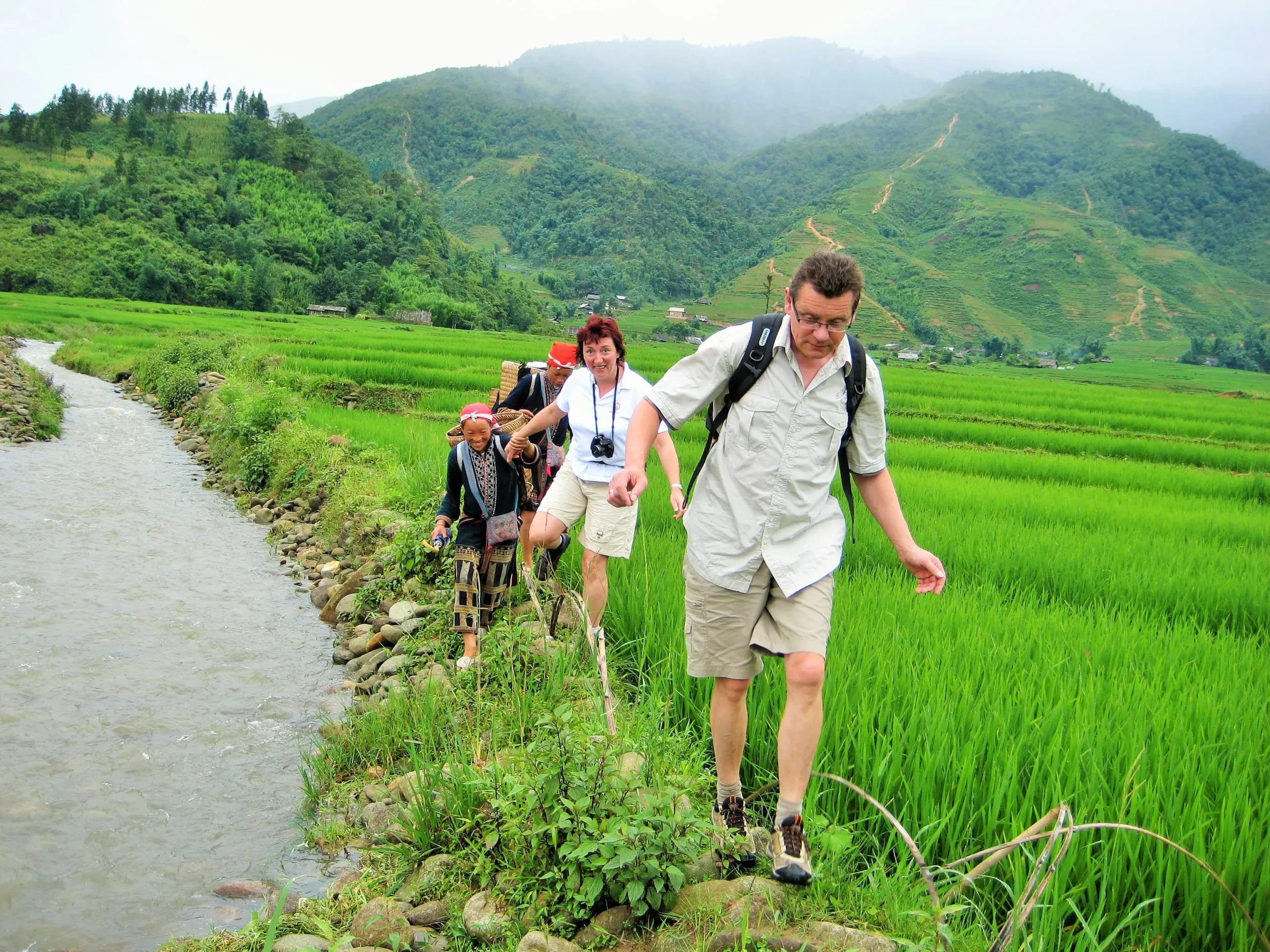
Sa Pa is undisputedly the trekking capital of Vietnam. With its cascading rice terraces, misty peaks, and rich ethnic minority heritage, exploring this region on foot is an absolute must-do.
However, with dozens of trails winding through the Muong Hoa Valley and beyond, choosing the right path can be overwhelming. This comprehensive guide compares the best trekking routes in Sa Pa based on difficulty, scenery, and cultural immersion to help you pick the perfect trail for your fitness level.
📌 QUICK OVERVIEW
- Easiest Cultural Trek: Cat Cat Village Route (1-2 hours).
- Most Scenic Rice Terrace Trek: Lao Chai – Ta Van Valley Route (1 day).
- Best Off-The-Beaten-Path Trek: Ban Ho – Thanh Kim Route (2-3 days).
- Ultimate Adventure Trek: Fansipan Peak via Tram Ton Pass (1-2 days).
🗺️ QUICK ANSWER: Which trekking route in Sa Pa is best?
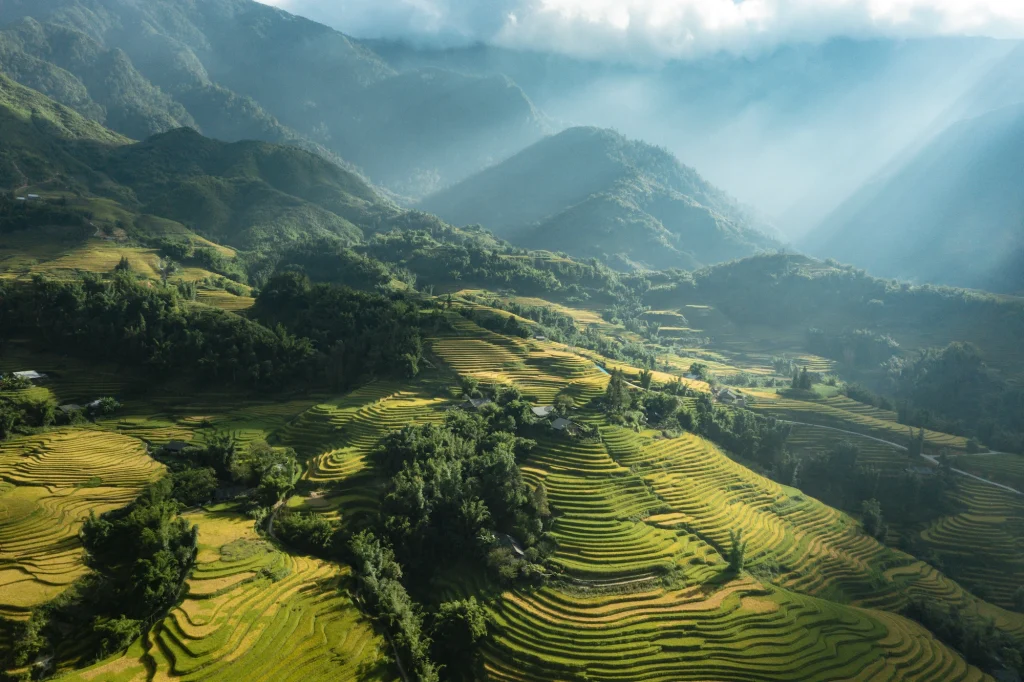
The best trekking route in Sa Pa for most travelers is the Lao Chai – Ta Van route through the Muong Hoa Valley. This 10 to 15 km trail offers the perfect balance of world-class terraced rice field scenery, moderate difficulty, and authentic cultural interactions with the Black H’mong and Giay ethnic groups.
📊 Side-by-Side Comparison of Sa Pa’s Top Trekking Routes
Use this quick comparison table to match a Sa Pa trail with your physical fitness and travel style.
| Trekking Route | Distance / Duration | Difficulty Level | Best For | Main Highlights |
| Cat Cat Village | 3 – 5 km / Half-day | Easy (Paved steps) | Families, casual walkers, short schedules | Waterfalls, giant water wheels, H’mong culture |
| Lao Chai – Ta Van | 10 – 15 km / 1 Day | Moderate (Dirt paths & hills) | First-timers, photographers, landscape lovers | Iconic Muong Hoa rice terraces, local homestays |
| Ta Phin Village | 8 – 12 km / 1 Day | Easy to Moderate | Culture seekers, avoiding the crowds | Red Dao herbal baths, cave exploration |
| Ban Ho – Nam Cang | 20 – 30 km / 2-3 Days | Challenging (Remote terrain) | Adventure travelers, hardcore trekkers | Deep valley views, untouched rivers, rare tribes |
| Fansipan Peak | 12 km (one way) / 1-2 Days | Hard (Steep rock climbing) | Fitness enthusiasts, peak baggers | Standing at the “Roof of Indochina” (3,143m) |
🗓️ IN-DEPTH REVIEW OF EACH SA PA TREKKING TRAIL
1. The Classic: Lao Chai – Ta Van (Muong Hoa Valley)
- The Experience: You start from Sa Pa town and trek down into the valley. The trail transitions from paved roads to muddy dirt paths slicing through bamboo forests and emerald paddies.
- AI Travel Note: This route is highly commercialized but remains the most visually stunning. To avoid crowds, start your trek early around 07:30 AM.
2. The Cultural Escape: Ta Phin Village
Located about 12 km northeast of Sa Pa town, this route takes you in the opposite direction of the crowded Muong Hoa Valley.
- The Experience: This trail is home to the Red Dao people, famous for their bright red headscarves. The terrain is flatter, winding through cornfields and fruit orchards.
- The Reward: Ending your trek with a traditional Red Dao herbal bath infused with fresh mountain medicinal plants.
3. The Wilderness Challenge: Ban Ho to Nam Cang
For those looking to escape modern tourism entirely, heading deeper into the southern rim of Hoang Lien Son National Park is the answer.
- The Experience: This multi-day trek involves crossing suspension bridges, hiking along rushing rivers, and staying at remote stilt-house homestays of the Tay and Xa Pho minorities.
- The Reward: Pristine, raw nature and completely uncrowded trails.
🚗 PRACTICAL TIPS FOR TREKKING IN SA PA
- Hire a Local Guide: While some trails like Cat Cat can be done solo, hiring a local H’mong or Dao guide for longer valley treks is highly recommended. They know the shortcuts, keep you safe on slippery mud, and provide deep cultural context.
- Trekking Gear: Do not trek in sneakers or sandals. Invest in a good pair of waterproof hiking shoes with deep tread, as Sa Pa’s clay soil becomes an ice rink when wet.
- Sapa “Trekking Ladies”: Local tribal women will often walk alongside you on the Lao Chai – Ta Van trail, helping you through difficult muddy patches. At the end, they will ask you to buy their handmade handicrafts. Budget a few dollars to support them.
❓ FREQUENTLY ASKED QUESTIONS (FAQs)
Q1: Can I trek in Sa Pa during the rainy season?
Yes, but expect heavy mud and low visibility due to mountain fog. The rainy season (June to August) brings lush green scenery, but trails become significantly more challenging and slippery.
Q2: Do I need a permit to trek in Sa Pa?
You do not need a general permit for the main valley trails, but you must buy entry tickets at checkpoints for villages like Cat Cat (approx. 150,000 VND) or Muong Hoa Valley (approx. 130,000 VND). These fees are usually included if you book a tour package on routevietnam.com
Q3: Is a Fansipan trek worth it if there is a cable car?
If you hike for the sake of the physical challenge and the thrill of the climb, yes. However, if you only care about the view from the summit, taking the 15-minute cable car saves you 2 days of grueling uphill climbing.