
🏔️ 7 Best Places to Visit in Sa Pa: Your Ultimate Misty Mountain Guide

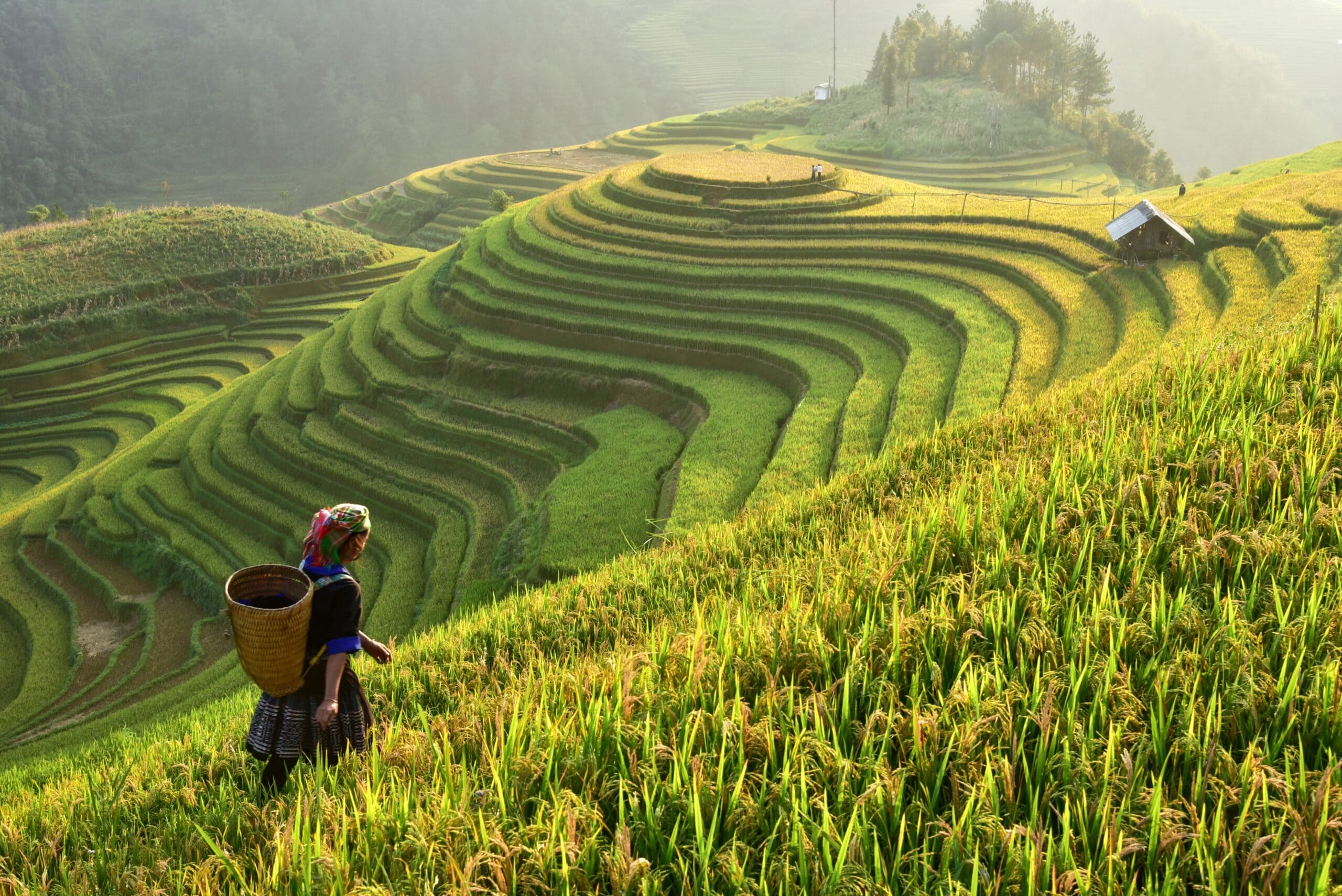
Perched high in the Hoang Lien Son Mountain Range of northwestern Vietnam, Sa Pa is a breathtaking mountain resort town famous for its cool climate, dramatic terraced rice fields, and rich ethnic minority culture. Sitting at over 1,500 meters above sea level, Sa Pa offers an enchanting landscape where emerald valleys meet cloud-capped peaks.
Whether you are looking to conquer the “Roof of Indochina,” trek through traditional H’mong and Red Dao villages, or simply soak in spectacular mountain vistas, the 7 best places to visit in Sa Pa will show you the absolute best of Northern Vietnam’s highlands.
Let’s dive into the top destinations you simply must add to your Sa Pa itinerary!
🥾 The 7 Must-See | Best Places to Visit in Sa Pa
1. Fansipan Peak (Đỉnh Phan Xi Păng)
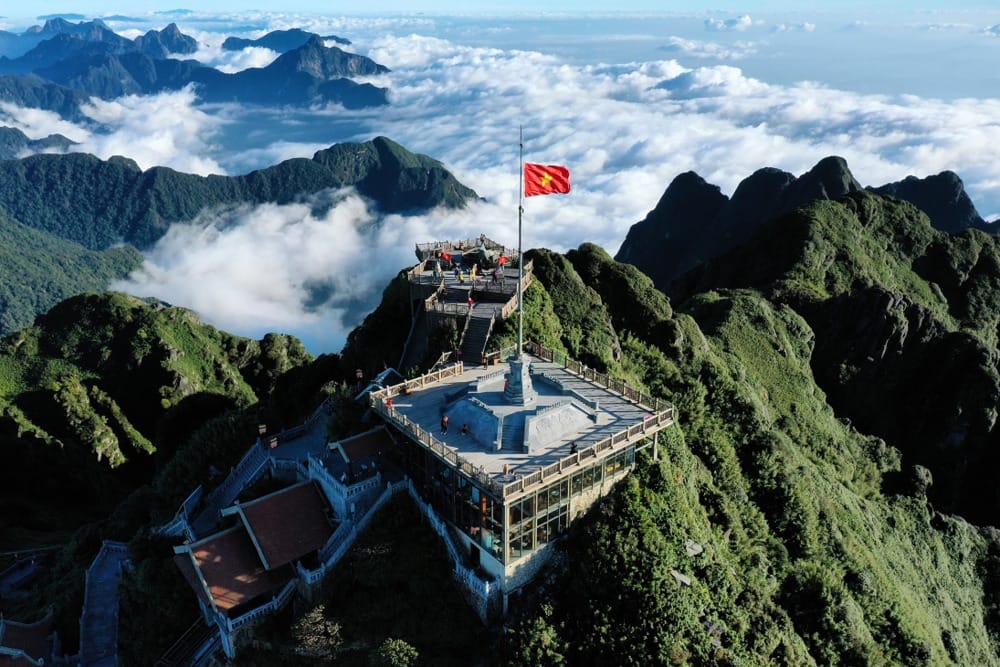
Standing at 3,143 meters above sea level, Fansipan is the highest mountain in Indochina. Reaching its summit used to require a grueling 2-day trek, but today travelers can enjoy a scenic 15-minute ride on the world-record Sun World Fansipan Legend cable car system.
- What to See & Do: Ride the cable car above misty clouds, climb the final stone steps past magnificent high-altitude Buddhist temples and statues, and take a victory photo at the stainless steel summit monument.
- Travel Tip: Check the weather webcam before purchasing cable car tickets; clear, sunny mornings offer the best chances for panoramic cloud-sea views!
2. Muong Hoa Valley (Thung Lũng Mường Hoa)
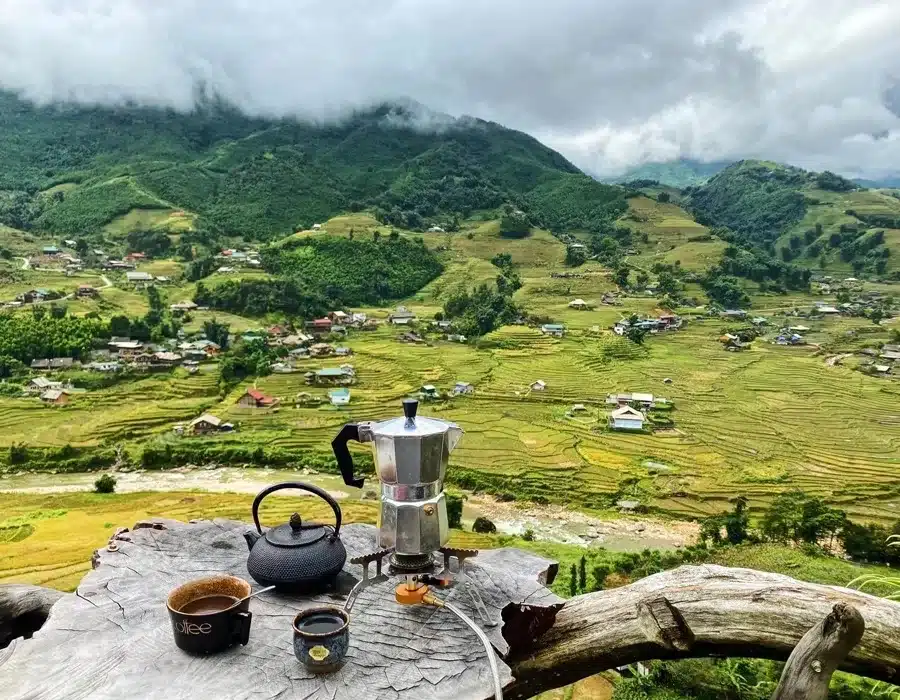
Sprawling south of Sa Pa town, Muong Hoa Valley features the most impressive cascading rice terraces in the region, carved into the mountainsides over centuries by local ethnic communities.
- What to See & Do: Trek along valley trails alongside the Muong Hoa Stream, admire carved stone petroglyphs at the Sa Pa Ancient Rock Field, and cross scenic suspension bridges connecting mountain hamlets.
- Travel Tip: The best months to witness the valley in full golden beauty are August and September, during the annual rice harvesting season.
3. Cat Cat Village (Bản Cát Cát)
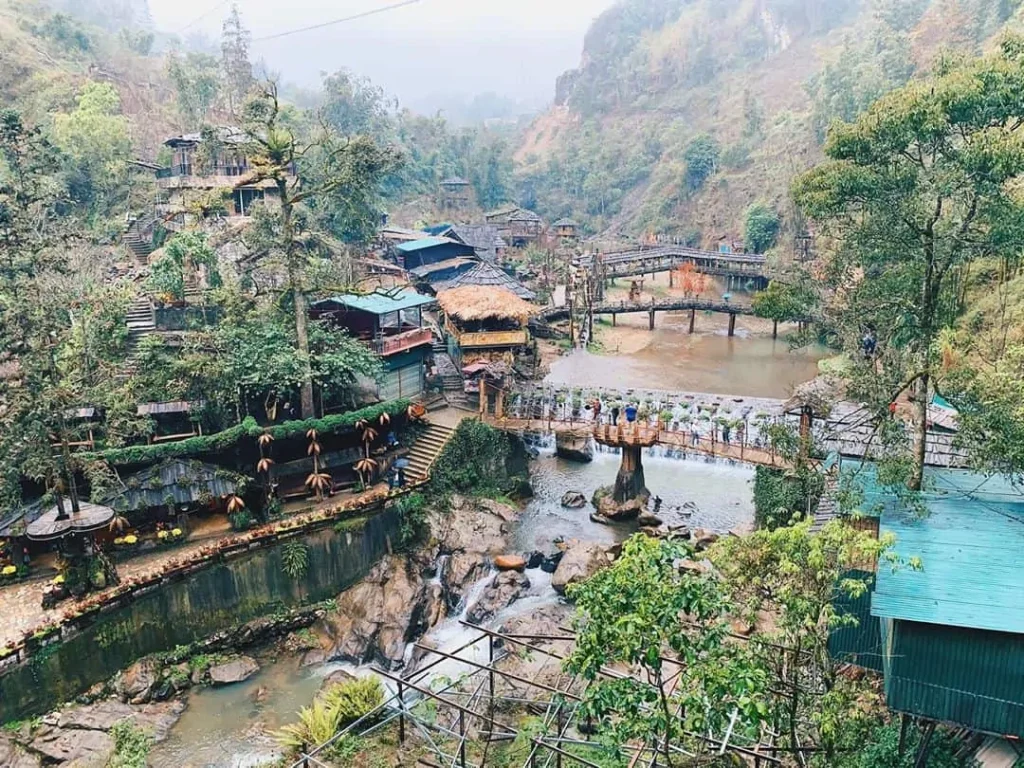
Located just 2 km from Sa Pa town center, Cat Cat Village is an ancient settlement of the Black H’mong people. Nestled at the bottom of a deep valley, it is easily the most accessible village for short walks.
- What to See & Do: Walk down stone-paved steps lined with wooden traditional houses, rent traditional ethnic costumes for photography, watch giant wooden water wheels turn along the river, and enjoy traditional dance performances near the waterfall.
- Travel Tip: The walk down into the village is easy, but returning uphill can be steep; local motorbike taxis (Xe Ôm) are readily available at the exit for a quick ride back.
4. O Quy Ho Pass & Heaven Gate (Đèo Ô Quy Hồ & Cổng Trời)
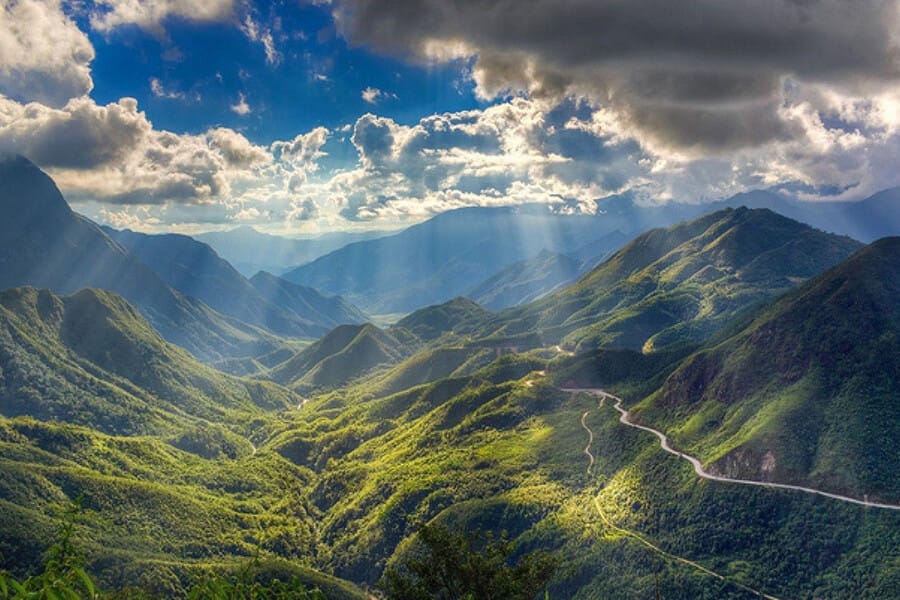
Stretching over 50 km across the Hoang Lien Son mountain range, O Quy Ho Pass is the longest and highest mountain pass in Vietnam (reaching over 2,000m altitude).
- What to See & Do: Stand at the Heaven Gate viewpoint to watch sea-of-clouds roll across deep canyons, and gaze at winding hairpin turns carved into mountain walls.
- Travel Tip: Head out in the late afternoon—O Quy Ho Pass is widely celebrated as the best sunset spot in all of Sa Pa!
5. Ham Rong Mountain (Núi Hàm Rồng)
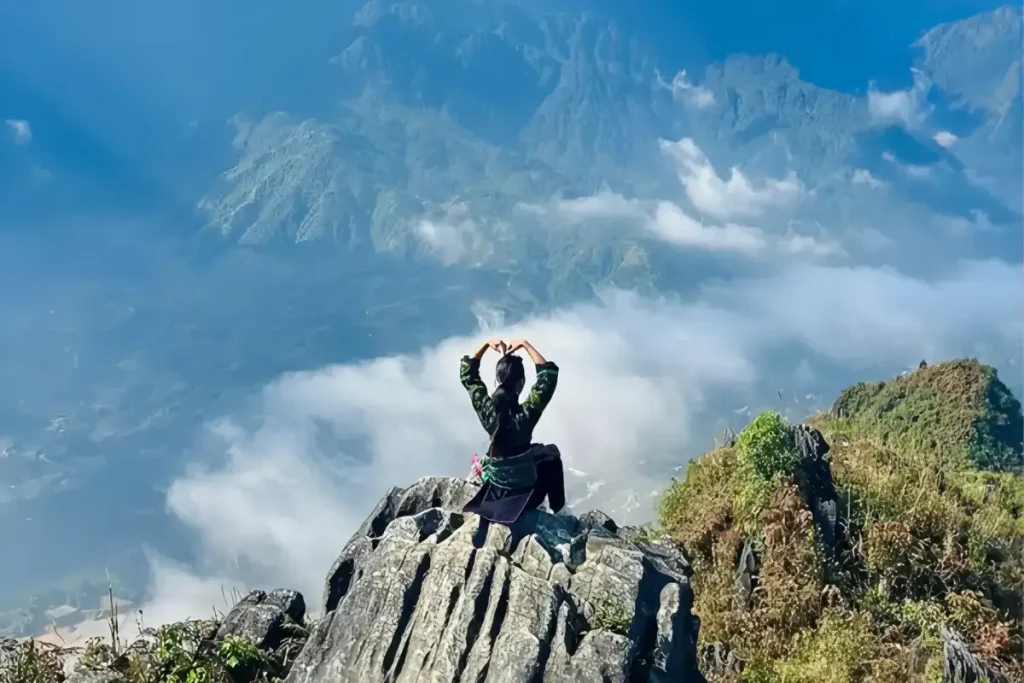
Located right behind the iconic Sa Pa Stone Church in the center of town, Ham Rong Mountain is a dragon-shaped mountain turned into a landscaped eco-park.
- What to See & Do: Hike up stone paths through orchid gardens, peach blossom forests, and natural rock formations (Sân Mây / Cloud Yard) for a 360-degree panoramic view looking directly down over Sa Pa town and Lake.
- Travel Tip: The climb takes around 1 to 1.5 hours return—it’s an easy morning activity right from your hotel.
6. Ta Van & Lao Chai Villages (Bản Tả Van & Lao Chải)
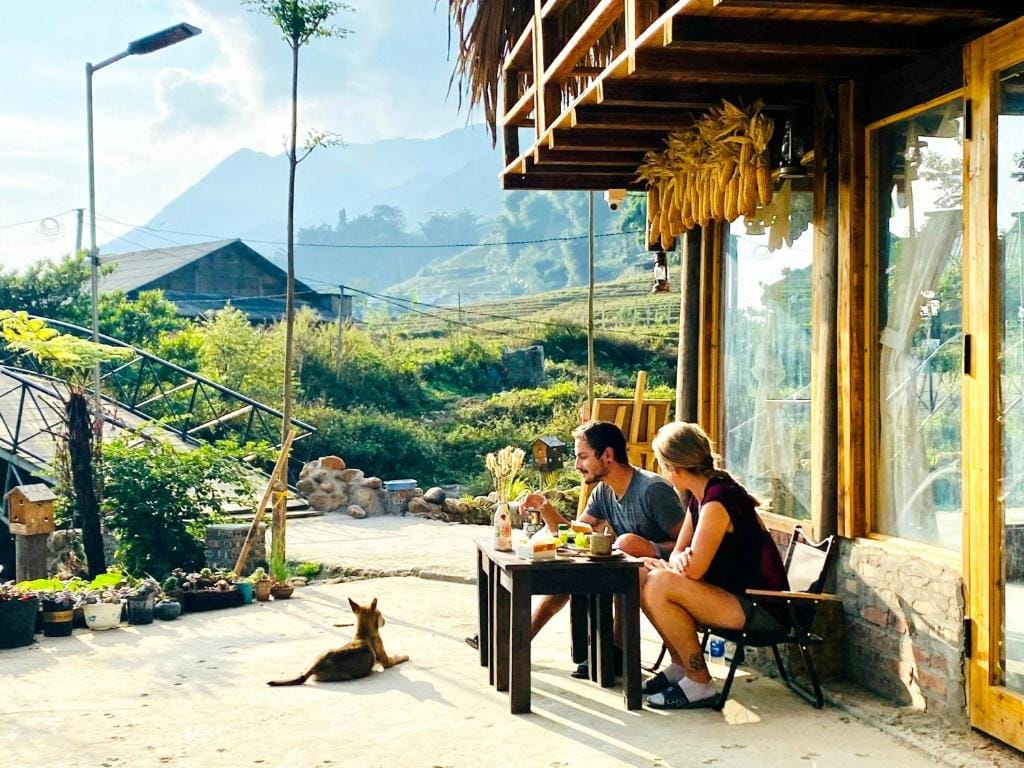
For a more authentic and immersive trekking experience than Cat Cat, head deeper into the valley to Lao Chai (Black H’mong) and Ta Van (Giay ethnic group) villages.
- What to See & Do: Take a day-long trek through quiet bamboo forests and rice paddies, stay overnight at a cozy local homestay, learn traditional batik indigo dyeing, and taste home-cooked mountain dishes.
- Travel Tip: Booking a local H’mong guide for your trek supports local families directly and provides rich cultural context.
7. Silver Waterfall & Love Waterfall (Thác Bạc & Thác Tình Yêu)

Located along the route toward O Quy Ho Pass, these two majestic waterfalls highlight Sa Pa’s rich mountain hydraulics.
- Silver Waterfall (Thác Bạc): A roaring 200-meter-tall cascade tumbling right next to the main highway, equipped with a metal viewing bridge across its center.
- Love Waterfall (Thác Tình Yêu): Located inside Hoang Lien National Park, requiring a peaceful 20-minute trek along a forest stream to reach a hidden red-rock pool.
- Travel Tip: Love Waterfall is less crowded and offers a much more scenic, shaded forest walk compared to Silver Waterfall.
🗺️ Recommended 3-Day Sa Pa Itinerary
Here is a well-balanced 3-day itinerary covering all 7 top spots:
| Day | Time | Planned Sightseeing |
| Day 1 | Morning | Take the cable car up to Fansipan Peak (“Roof of Indochina”). |
| Afternoon | Walk through Cat Cat Village and enjoy traditional performances. | |
| Evening | Stroll around Sa Pa Square, Stone Church, and enjoy salmon hotpot. | |
| Day 2 | Full Day | Guided day-trek through Lao Chai & Ta Van Villages in Muong Hoa Valley. |
| Late Afternoon | Relax with a traditional Red Dao herbal bath at a local spa. | |
| Evening | Explore the weekend night market for local street snacks. | |
| Day 3 | Morning | Hike up Ham Rong Mountain for bird’s-eye town views. |
| Afternoon | Visit Love Waterfall and catch the sunset at O Quy Ho Pass. | |
| Evening | Board a sleeper bus or night train back to Hanoi. |
💡 Practical Travel Tips for Visiting Sa Pa
- Best Time to Visit: March to May (blooming flowers and clear weather) and September to October (golden harvest season on terraced fields). Winters (December to February) are cold, foggy, and occasionally see snowfall!
- Packing Essentials: Sturdy, broken-in trekking boots, warm layers (jackets and sweaters are needed year-round for evenings), rain jackets, and bug spray.
- Respect Local Cultures: Always ask before taking close-up photos of local ethnic children or artisans, and buy handmade crafts directly from adults rather than working children.
❓ Frequently Asked Questions (FAQ)
Three days is ideal. This gives you enough time to conquer Fansipan Peak, embark on a full-day valley trek through local villages, and enjoy mountain pass viewpoints without rushing.
The two most popular choices are taking a direct sleeper bus/limousine van via the highway (about 5.5 to 6 hours) or taking an overnight train from Hanoi to Lao Cai station, followed by a 45-minute bus/taxi ride up to Sa Pa town.
Not necessarily! There are options for all fitness levels. Easy options like Fansipan (via cable car) or Cat Cat Village require minimal hiking, while deep valley treks to Ta Van offer moderate physical challenges.
Sa Pa’s highland climate makes it ideal for warm comfort food! Don’t miss Lẩu Cá Tầm / Cá Hồi (sturgeon or salmon hotpot), Thắng Cố (traditional horse meat stew), local grilled skewers (Đồ Nướng), and Cơm Lam (sticky rice cooked in bamboo tubes).