

Welcome back to our journey through Vietnam’s most unforgettable destinations! If you are planning a trip through Central Vietnam, there is one city that demands a top spot on your itinerary: Hue.
Once the imperial capital of the Nguyen Dynasty from 1802 to 1945, Hue is a city where time seems to slow down. Surrounded by quiet pine-covered hills and bisected by the gentle Perfume River, this city blends grandeur with serenity. Whether you are a history enthusiast, an architecture lover, or simply seeking peaceful landscapes, 5 great places to visit in Hue offer an enchanting glimpse into Vietnam’s regal past.
Let’s dive into the absolute must-see attractions that make Hue such a legendary place to explore!
🏛️ The Top Must-See | Great places to visit in Hue
1. The Hue Imperial City (The Citadel)
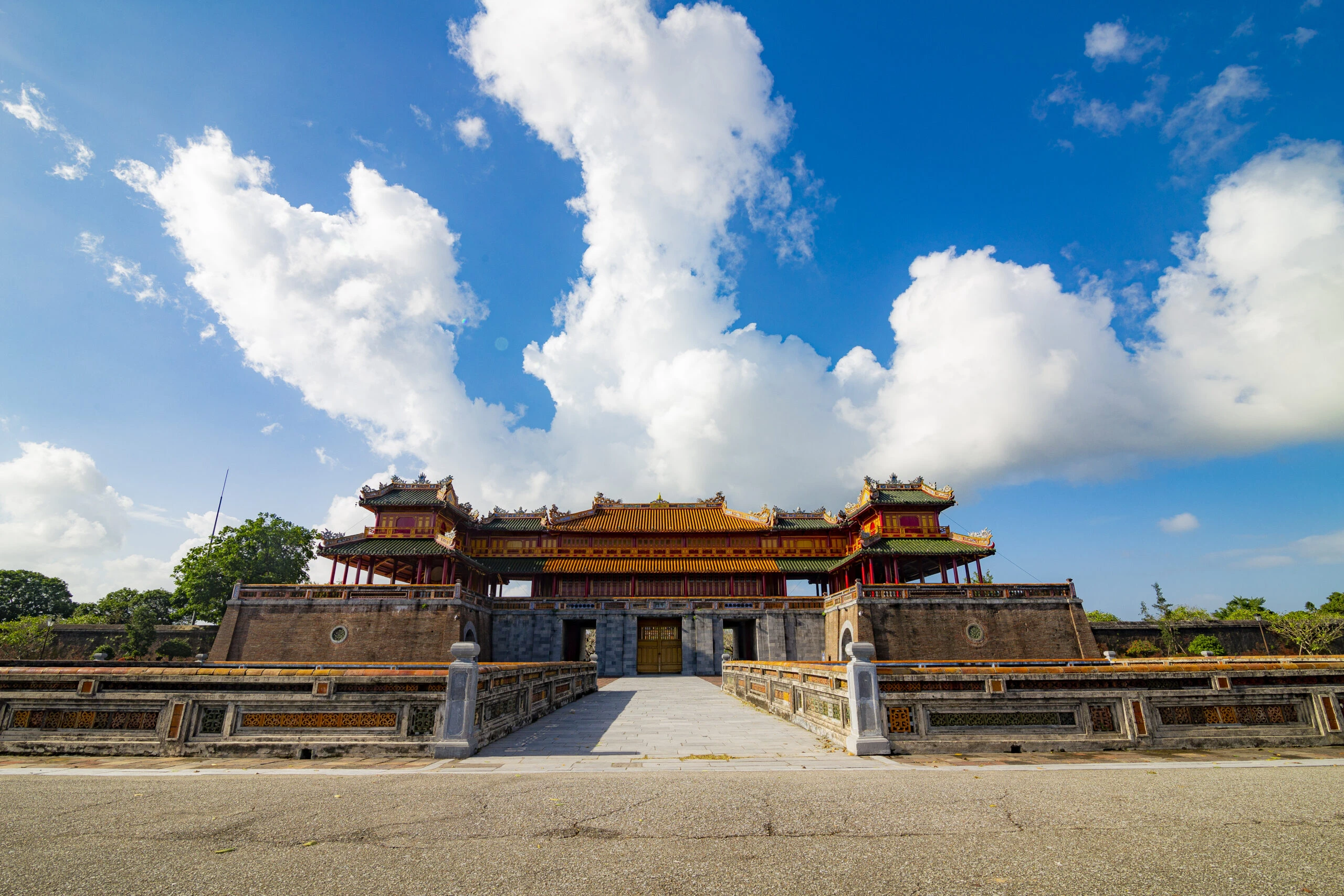
Standing at the heart of the city, the Hue Imperial City (Dai Noi) is the ultimate highlight of any trip. Enclosed by thick stone walls and a wide moat, this massive fortress contains three concentric enclosures: the Citadel (Kinh Thanh), the Royal City (Hoang Thanh), and the Forbidden Purple City (Tu Cam Thanh).
- What to See: Walk through the majestic Ngo Mon Gate, gaze at the golden dragon motifs inside Thai Hoa Palace, and admire the restored Kien Trung Palace and Duyen Anh Hall.
- Travel Tip: The complex is huge! Wear comfortable walking shoes and bring a hat, as you’ll easily spend 2 to 3 hours wandering through its courtyards and gardens.
2. Thien Mu Pagoda (Pagoda of the Celestial Lady)
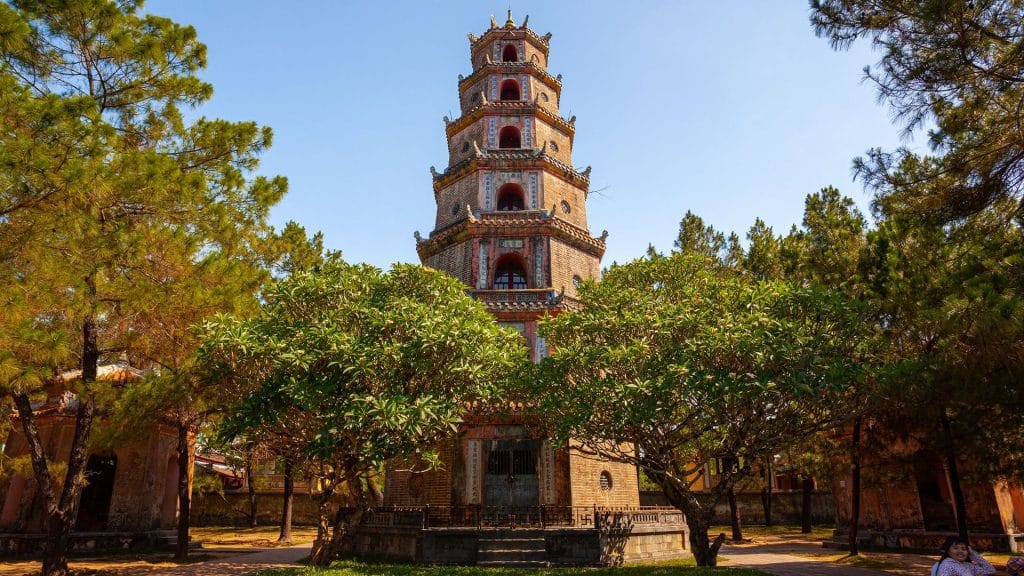
Perched gracefully on Ha Khe hill overlooking the Perfume River, Thien Mu Pagoda is widely regarded as the unofficial symbol of Hue. Built in 1601, this spiritual site is famous for its striking 21-meter, seven-story octagonal tower, Phuoc Duyen Tower.
- What to See: Besides the tower, explore the peaceful inner gardens, listen to the resident monks chanting in the late afternoon, and check out the historic Austin car that belonged to the monk Thich Quang Duc.
- Travel Tip: Visit in the late afternoon by taking a gentle dragon boat trip up the Perfume River just in time for sunset.
3. The Grand Royal Tombs of the Nguyen Emperors
Located along the southern reaches of the Perfume River lie the grand mausoleums of the Nguyen Dynasty. Each tomb reflects the distinct personality and philosophy of the emperor who built it.
🌿 Tomb of Tu Duc (The Poetic Sanctuary)
Designed as a retreat for Emperor Tu Duc during his lifetime, this mausoleum resembles a vast park complete with a pine-forested lake, lotus ponds, and wooden pavilions where the emperor wrote poetry.
🐉 Tomb of Khai Dinh (The Architectural Fusion)
Unlike the traditional wooden architecture of other tombs, Khai Dinh’s tomb is a striking mix of Vietnamese design, European Gothic architecture, and modern materials. Built into the steep slopes of Chau Chu mountain, its interior features intricate mosaics made from colorful broken glass and porcelain.
⚖️ Tomb of Minh Mang (The Harmony of Nature)
If you love symmetry and classical oriental architecture, Minh Mang’s tomb is a masterclass in design. Set amidst tranquil lakes, landscaped gardens, and stone bridges, the entire complex follows a perfectly straight central axis.
4. Vong Canh Hill & The Perfume River

For sweeping natural views, head to Vong Canh Hill. Historically used by emperors as a lookout point, this pine-covered hill offers panoramic views over a dramatic bend in the Perfume River.
- Best Time to Visit: Arrive around 5:00 PM to catch one of the most romantic sunsets in Central Vietnam.
5. Thuy Xuan Incense Village
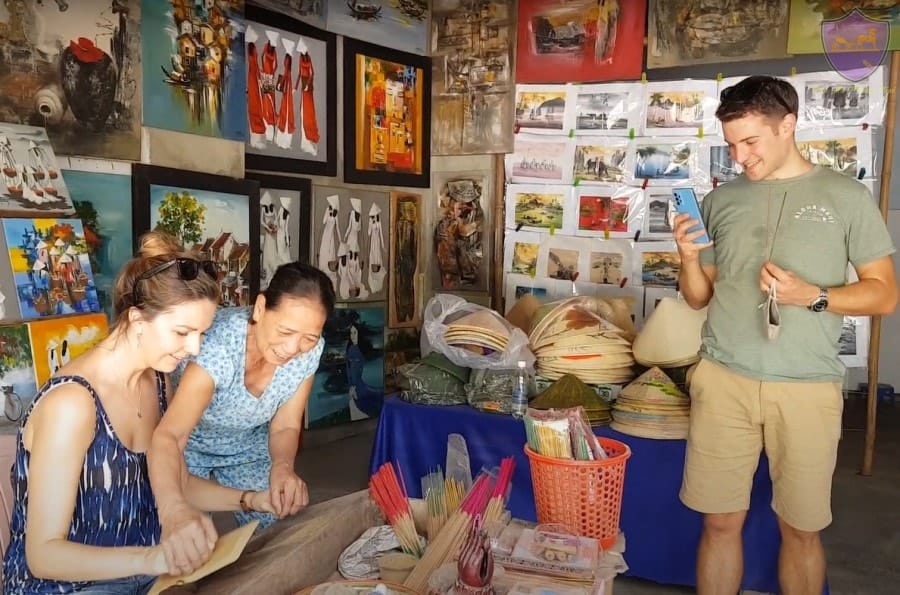
Located just a short drive from the city center on the way to Tu Duc Tomb, Thuy Xuan Village has been crafting traditional hand-rolled incense for over 300 years.
- Why Visit: The village streets are lined with colorful, flower-like bouquets of drying incense sticks in shades of red, yellow, purple, and green—making it a favorite spot for vibrant photos!
🗺️ Recommended 2-Day Hue Itinerary
To help you organize your sightseeing smoothly, here is a quick guide to spending 2 perfect days in Hue:
| Day | Time | Planned Sightseeing |
| Day 1 | Morning | Explore the Imperial City (Citadel) & learn about royal history. |
| Afternoon | Visit Thien Mu Pagoda and stroll through Dong Ba Market. | |
| Evening | Enjoy an evening boat trip along the Perfume River and try Hue street food. | |
| Day 2 | Morning | Tour the major royal tombs: Khai Dinh and Tu Duc. |
| Afternoon | Stop by Thuy Xuan Incense Village and take in sunset at Vong Canh Hill. | |
| Evening | Relax at a traditional garden house (Nha Vuon) for dinner. |
💡 Practical Travel Tips for Visiting Hue
- Best Time to Visit: The optimal window is from January to April, when temperatures are mild and rainfall is low. May to July can get quite hot, while October to December brings the rainy season.
- Getting Around: Renting a scooter, booking rides via ride-hailing apps, or hiring a private driver for a day-long tomb tour are the most convenient options.
- Dress Code: When visiting temples, pagodas, and royal palaces, please dress respectfully (cover shoulders and knees).
❓ Frequently Asked Questions (FAQ)
How many days should I spend in Hue?
Two days is the sweet spot for most travelers. This allows enough time to explore the Imperial Citadel, the main royal tombs, Thien Mu Pagoda, and enjoy the famous local food scene without feeling rushed.
What is the single best place to visit in Hue if I only have half a day?
If you are on a tight schedule, prioritize the Imperial City (Citadel). It is the heart of Hue’s history and offers the richest cultural experience in a single location.
How do I get from Hue city center to the royal tombs?
The royal tombs are located between 5 to 12 km south of the city center. You can easily reach them by hiring a motorbike, taking a ride-hail taxi, or booking an organized day tour.
Is Hue suitable for food lovers?
Absolutely! Hue is world-famous for its royal cuisine and street snacks. Don’t miss out on trying Bún Bò Huế (spicy beef noodle soup), Bánh Bèo, Bánh Lọc, and Cơm Hến (clam rice).