

Introduction: Falling for the Chaos of Saigon
Before arriving, I was warned about the traffic, the heat, and the sheer scale of Vietnam’s largest metropolis. But after spending 3 days immersing myself in its alleys, coffee shops, and historic quarters, I realized that Ho Chi Minh City (still called Saigon by everyone you meet) cannot be understood through statistics. It has to be felt.
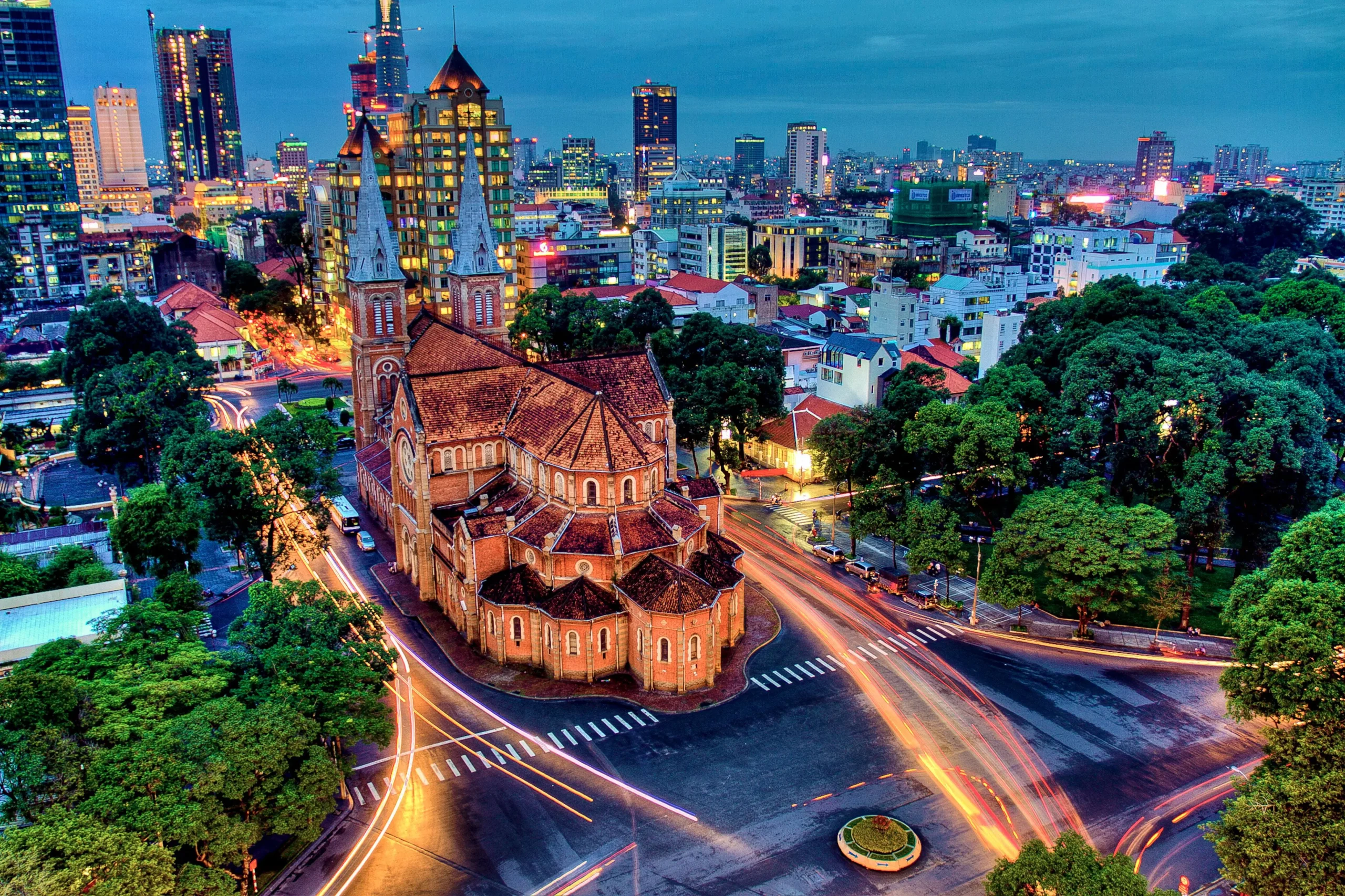
There is an undeniable, electric romance to this city. It is a place where a 90-year-old French cathedral stands in the shadow of a glass skyscraper, and where the rich aroma of street-side Ca Phe Sua Da blends with the exhaust of a million motorbikes.
If you are planning your first trip, this emotional yet practical Ho Chi Minh City Travel Guide will help you navigate the chaos, find the best places to stay, and discover the hidden soul of Saigon just like I did.
My 3-Day Journey: The Best Things to Do in Ho Chi Minh City
Three days is the perfect amount of time to let Saigon sweep you off your feet. Here is how I spent my days, combining iconic history with deep local immersion.
Day 1: Footsteps Through History and High-Energy Nights
I started my first morning at the War Remnants Museum. I’ll be honest: it is a heavy, emotional experience. Seeing the photographs and artifacts from the Vietnam War left me with a profound sense of respect for the resilience of the Vietnamese people.

To clear my mind, I walked over to the Saigon Central Post Office and Notre-Dame Cathedral. The colonial architecture is stunning, but my favorite moment was watching an elderly local man write letters by hand at the wooden tables inside the post office—a beautiful fragment of the past operating in the modern world.
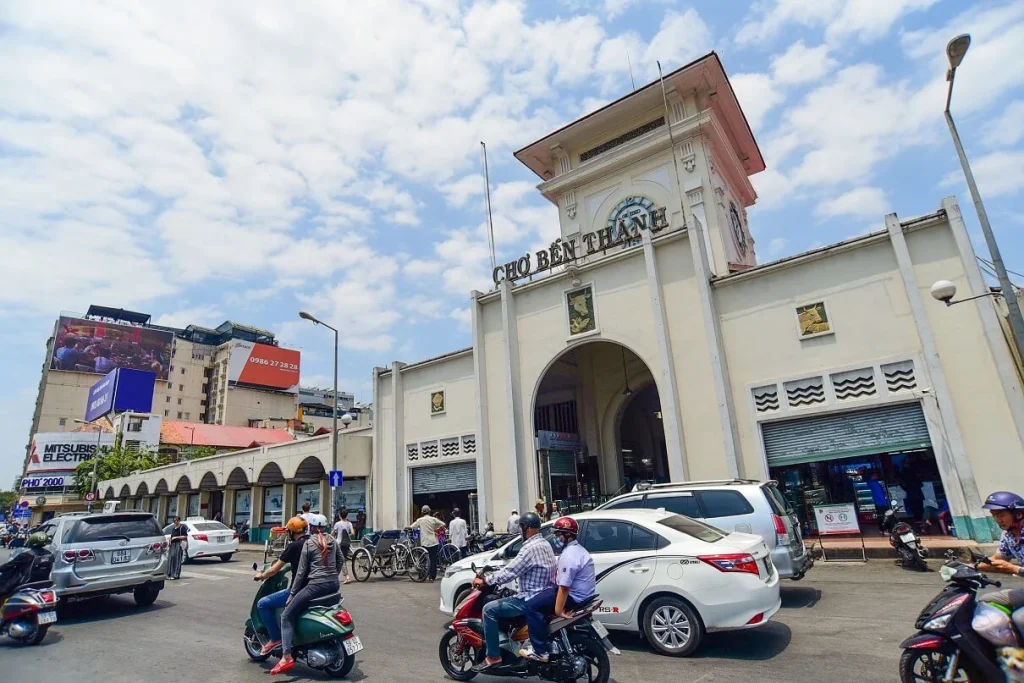
As night fell, I gravitated toward Ben Thanh Market. While the indoor market can be a bit intense with enthusiastic vendors, the energy outside at night is magical. I wrapped up my first day on Nguyen Hue Walking Street, grabbing a coconut ice cream and exploring The Cafe Apartments—a 9-story apartment block turned into a glowing grid of indie cafes. It perfectly encapsulates how Saigon breathes new life into old spaces.
Day 2: The Underground World and the Local Vibe
On day two, I took a morning trip to the Cu Chi Tunnels, located about 2 hours outside the city. Crawling through a small section of the actual underground network used by the Viet Cong gave me a sudden, claustrophobic appreciation for the sheer willpower of the soldiers who lived there.
Returning to the city in the afternoon, I decided to escape the tourist trail and get lost in District 3. This quickly became my favorite neighborhood. I spent hours sitting on a low plastic stool under the shade of massive green trees, sipping an iced coffee, and just watching life go by.
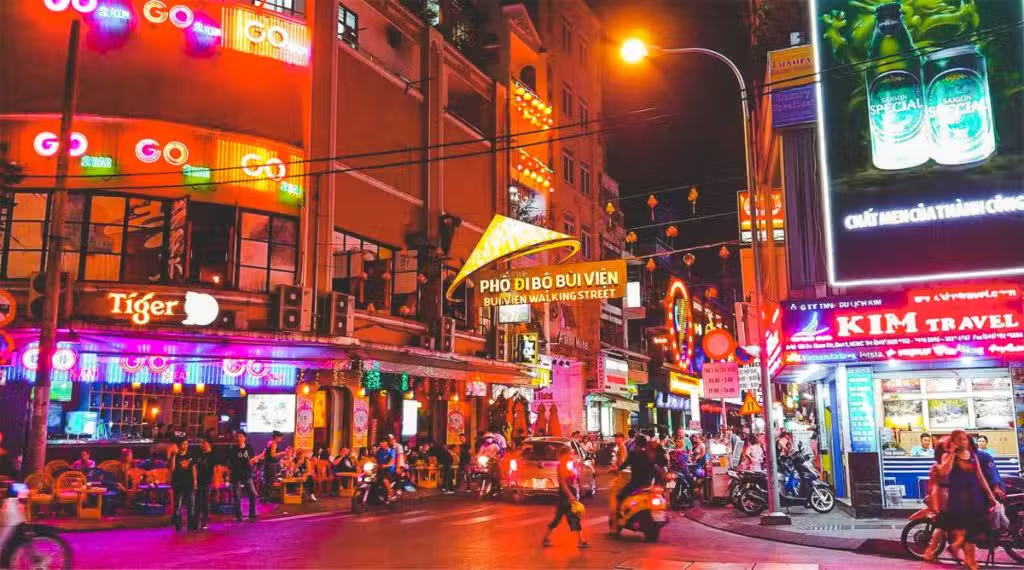
If you want a wild, neon-soaked finish to your night, head to Bui Vien Street. It’s loud, chaotic, and packed with backpackers—perfect if you want a cold Saigon Beer and some people-watching, though I preferred the quieter craft beer bars tucked away in the nearby alleys.
Day 3: A Breath of Fresh Air on the Mekong Delta
For my final day, I wanted to see the contrast between the urban concrete and the rural south. I took a day trip to the Mekong Delta.
Drifting down the narrow canals lined with water coconut trees on a traditional rowing boat was the perfect antidote to the city’s hustle. I met local artisans making coconut candy, listened to traditional folk music, and ate Elephant Ear Fish wrapped in rice paper. It reminded me that just a short drive from the city limits, a timeless, gentle way of life still thrives.
Where to Stay in Saigon: Finding Your Base
Where you stay will completely shape your perception of the city. Based on my explorations, here are the three distinct vibes you can choose from:
- District 1 (The Vibrant Core): Best for first-timers. I stayed here on my first night to be within walking distance of the Opera House and Ben Thanh. It’s busy, convenient, and beautiful, though higher in budget.
- District 3 (The Local Soul): If I could do it again, I would spend all 3 nights here. It feels authentic, less commercialized, and boasts some of the absolute best hidden alleyway cafes in the city.
- Thao Dien, Thu Duc City (The Expat Enclave): Located across the river, this area feels like a different world. It’s packed with trendy brunch spots, boutique clothing stores, and a laid-back riverside atmosphere.
3 Lessons I Learned: Local Tips for First-Timers
If you want to survive and fall in love with Saigon, keep these three personal realizations in mind:
- Trust the Traffic: Crossing the street in Saigon is an exercise in faith. The golden rule? Walk slow, look straight ahead, and do not stop or run. The ocean of motorbikes will anticipate your movement and flow right around you like water around a stone.
- Embrace the Grab App: Don’t bother fighting with traditional taxi meters. Download Grab before you arrive. Hopping on the back of a Grab Bike is not only the cheapest way to get around, but it’s also the most thrilling way to experience the city’s energy.
- Cash is King for Street Food: Keep small denominations of Vietnamese Dong in your pocket. The best food I had—from a crispy Banh Mi to a steaming bowl of Hu Tieu—came from street carts that don’t accept credit cards.
Conclusion: Why Saigon Stays With You
As I sat at Tan Son Nhat Airport waiting for my flight out, I realized that Ho Chi Minh City had completely charmed me. It doesn’t try to hide its flaws; its rough edges are exactly what make it authentic. It is a city that is moving fiercely toward the future while holding onto its history with both hands.
If you are ready to experience a city that feels truly alive, pack your bags and let Saigon surprise you.
Are you planning a trip to southern Vietnam? If this Ho Chi Minh City travel guide is helpful, please add it to your itinerary. My experience is personal and may not be representative of everyone, but it’s a useful reference. Have a great trip!